
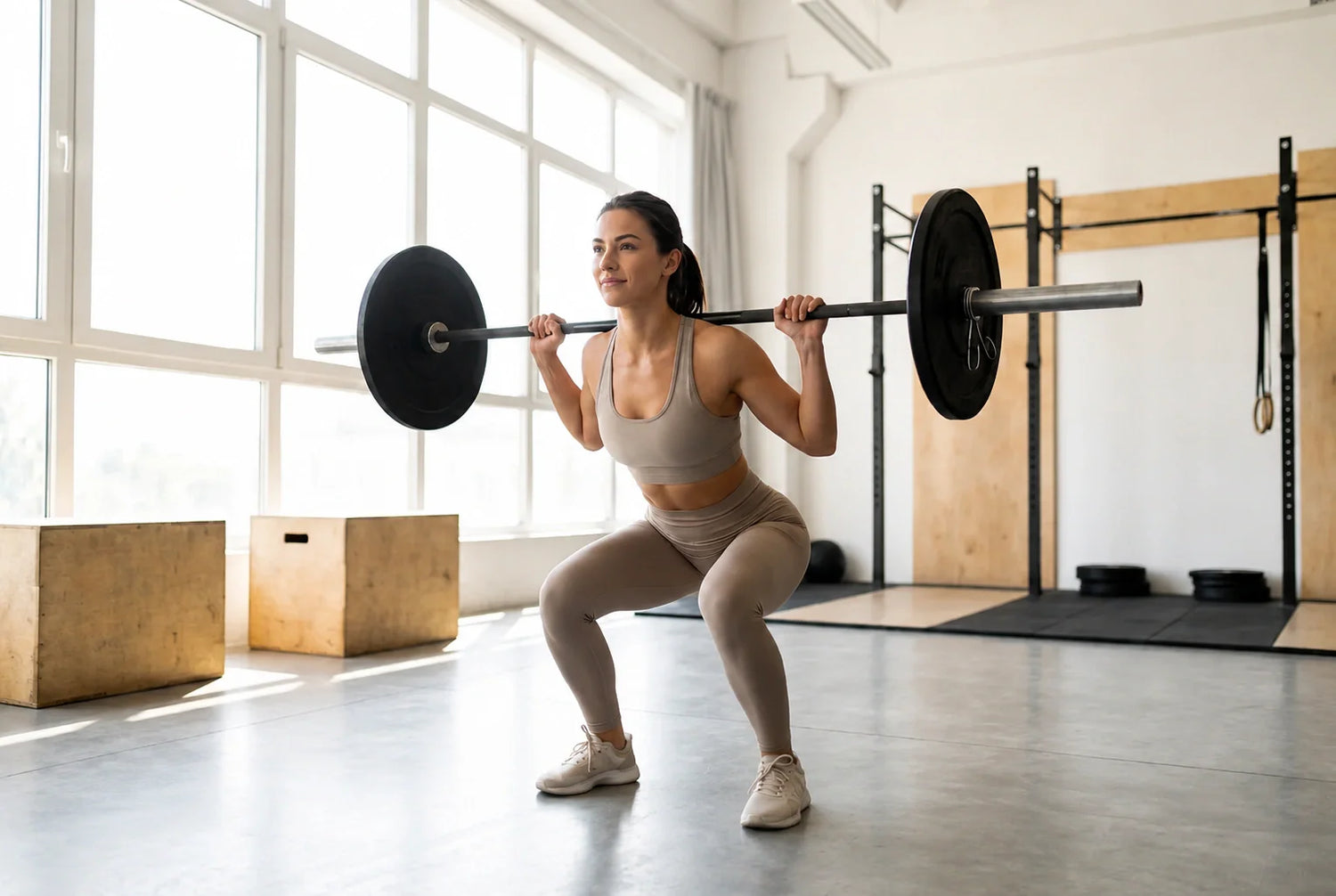
Vega Protein Powder Review: How It Compares to Plant-Based Alternatives
Vega protein powder built the plant-based supplement category in Canada — then got acquired by Danone in 2015. A decade later, serious athletes are asking a harder question: is it still the best option, or have newer formulations left it behind?
Key Takeaways
- Vega is a popular plant-based protein, but newer Canadian alternatives like VEGAIN® offer superior amino acid profiles, better digestibility, and competitive pricing.
- Clear protein powders and isolate options (like VEGAIN's SURGE™) provide faster absorption and reduced bloating compared to Vega's standard blends.
- Plant-based athletes require specific BCAA and leucine ratios for muscle synthesis — compare labels carefully before choosing your protein source.
- VEGAIN combines third-party testing, clean ingredients, and local sourcing to deliver plant-based protein optimised for Canadian athletes.
- Price-per-gram and cost-per-serving matter: understand the true value of your protein powder investment for your training budget.
Contents
- What Is Vega Protein Powder?
- What Are the Key Ingredients in Vega Protein Powder?
- How Much Protein and BCAA Content Does Vega Offer?
- Is Vega Protein Powder Good for Plant-Based Athletes?
- Does Vega Protein Powder Contain Allergens or Fillers?
- What Do Vegan Athletes Say About Vega Protein Powder?
- Which Plant-Based Protein Powders Are Better Than Vega?
- How Does Vega Protein Powder Compare on Price and Value?
- Frequently Asked Questions
What Is Vega Protein Powder?
Vega protein powder is a plant-based protein supplement originally founded in Vancouver, BC, now owned by Danone since 2015. Its Sport line delivers 30g protein per serving from a multi-source blend, while Protein & Greens provides 20g alongside added greens. Widely distributed across North America, it was among the first performance-focused plant protein brands — though formulation decisions now reflect Danone's corporate economics rather than founder vision.
Vega's main protein lines include:
- Vega Sport Premium Protein — 30g protein, 5g BCAAs, NSF Certified for Sport
- Vega Protein & Greens — 20g protein with spinach, kale, and alfalfa
- Vega Clean Protein — 25g protein, simpler ingredient list
- Vega Essentials — 20g protein plus vitamins and minerals for general wellness
 How do the leading plant-based protein powders actually stack up? The answer is in the amino acid profile, not the marketing.
What Are the Key Ingredients in Vega Protein Powder?
Vega Sport uses a four-source blend: pea protein, alfalfa protein, pumpkin seed protein, and sunflower seed protein. This multi-source approach aims to complete the amino acid profile that no single plant source delivers alone. Alfalfa and pumpkin seed are less common in plant protein research compared to the pea-rice-hemp tri-blend approach used by newer performance formulations.
Each source plays a specific role: pea protein contributes lysine and leucine; pumpkin seed adds methionine that pea lacks; alfalfa and sunflower round out the EAA profile, though both are less studied at supplemental doses.
VEGAIN's V-POWER uses pea, brown rice, and hemp — better-validated for amino acid completeness in peer-reviewed literature. Hemp adds omega-3 fatty acids and arginine. More critically, VEGAIN built the formula around hitting the 3g leucine threshold that triggers muscle protein synthesis — something Vega Sport doesn't achieve at a single serving.
Understanding how different plant protein sources compare is essential context when evaluating these formulas.
Key insight: The ingredient sources matter less than what they deliver — specifically leucine content, EAA completeness, and digestibility scores. Don't judge a plant protein by its ingredient list; judge it by its leucine per scoop.
How Much Protein and BCAA Content Does Vega Offer?
Vega Sport delivers 30g protein per serving with 5g BCAAs. Leucine — the specific amino acid that triggers muscle protein synthesis — is approximately 1.6–1.7g per serving, falling below the 2–3g threshold that research consistently identifies as optimal for anabolic signalling. The headline protein number is strong; the leucine profile is where Vega falls short.
The Leucine Threshold — Why It Matters
Research published by the International Society of Sports Nutrition consistently identifies 2–3g leucine per serving as the minimum dose to maximise muscle protein synthesis response. Below that threshold, MPS is sub-maximally stimulated regardless of total protein consumed.
| Brand & Product | Protein per Scoop | BCAAs | Leucine | Protein Sources |
|---|---|---|---|---|
| VEGAIN V-POWER | 26g | 11.8g | 3.0g | Pea, brown rice, hemp |
| Vega Sport Premium | 30g | 5g | ~1.6g | Pea, alfalfa, pumpkin, sunflower |
| Garden of Life Sport | 30g | ~5.5g | ~1.7g | Pea, sprouted grains |
| Orgain Sport | 21g | ~4g | ~1.5g | Pea, brown rice, chia |
| Sunwarrior Warrior Blend | 17g | ~3.5g | ~1.5g | Pea, hemp, goji |
Vega Sport's 30g protein headline is legitimate. But with ~1.6g leucine, reaching optimal MPS requires approximately two servings — effectively doubling the cost per training session. VEGAIN V-POWER's 3g leucine delivers the anabolic signal in a single scoop.
Athletes evaluating vegan isolate protein options will find this leucine comparison equally relevant.
By the numbers: VEGAIN V-POWER delivers 3g leucine per scoop — at or above the proven MPS trigger threshold — versus Vega Sport's estimated 1.6g. For muscle protein synthesis, the leucine gap is the most important comparison on this list.
Is Vega Protein Powder Good for Plant-Based Athletes?
Vega protein powder is a functional option for plant-based athletes — the Sport line is NSF certified and delivers 30g protein per serving. However, its leucine content sits below the optimal MPS threshold, and the ingredient sources (alfalfa, pumpkin seed) carry less research backing than pea-rice-hemp tri-blends for athletes training at high volumes.
 Plant-based athletes training at high volumes need protein that optimises for leucine content and amino acid completeness — not just total grams.
Performance vs. Adequacy
For recreational athletes training three times per week with solid whole-food protein intake, Vega is adequate. For athletes training four to six times per week optimising for muscle gain and recovery speed, the leucine gap becomes material.
Digestibility and Gut Response
Plant protein digestibility is assessed by the DIAAS (Digestible Indispensable Amino Acid Score), a framework developed by the FAO. Pea protein DIAAS scores are well-established, while alfalfa data at supplemental doses is far thinner — and some athletes report digestive discomfort with Vega Sport as a result. VEGAIN's pea-rice-hemp tri-blend is well-tolerated by athletes switching from whey due to bloating.
Does Vega Protein Powder Contain Allergens or Fillers?
Vega Sport Premium is dairy-free, gluten-free, and soy-free. However, several Vega product lines include natural flavours, gums (xanthan, guar), and stevia blends that performance athletes classify as unnecessary additives.
Vega Sport Premium holds NSF Certified for Sport status — a credible certification, but one applied to specific products rather than every batch across the full Vega range. VEGAIN third-party tests every batch of every product for purity, label accuracy, and contaminants. That's a non-negotiable operational standard — not a marketing claim applied selectively to hero SKUs.
Common additive concerns in Vega formulations:
- Xanthan gum — a thickener, generally tolerated, but absent in cleaner formulas
- Stevia — digestive sensitivity reported in a subset of users at higher doses
- Natural flavours — technically clean, but less minimal than zero-additive formulations
VEGAIN V-POWER uses zero artificial flavours, dyes, or fillers.
What Do Vegan Athletes Say About Vega Protein Powder?
Community feedback on Vega protein powder is consistently mixed. Athletes recognise the NSF certification and retail availability — but frequently cite cost relative to protein yield, texture inconsistency, and the sense that formulations changed post-acquisition as reasons to explore plant-based alternatives.
Recurring themes from plant-based fitness communities:
- Positive: NSF credibility, broad availability at Target, Costco, and Whole Foods, familiar taste profiles
- Negative: Higher cost per gram versus newer alternatives, texture inconsistency, perception the brand changed after Danone acquisition
- Mixed: Ingredient quality is acceptable, but the brand no longer feels athlete-built or athlete-driven
Vega occupies the "default" position in plant protein — the brand people reach for because they recognise it, not because they have done the comparison. Informed athletes are comparing leucine content, DIAAS scores, and testing transparency before committing to a $60+ purchase. Those comparisons rarely favour the brand that stopped being founder-led a decade ago.
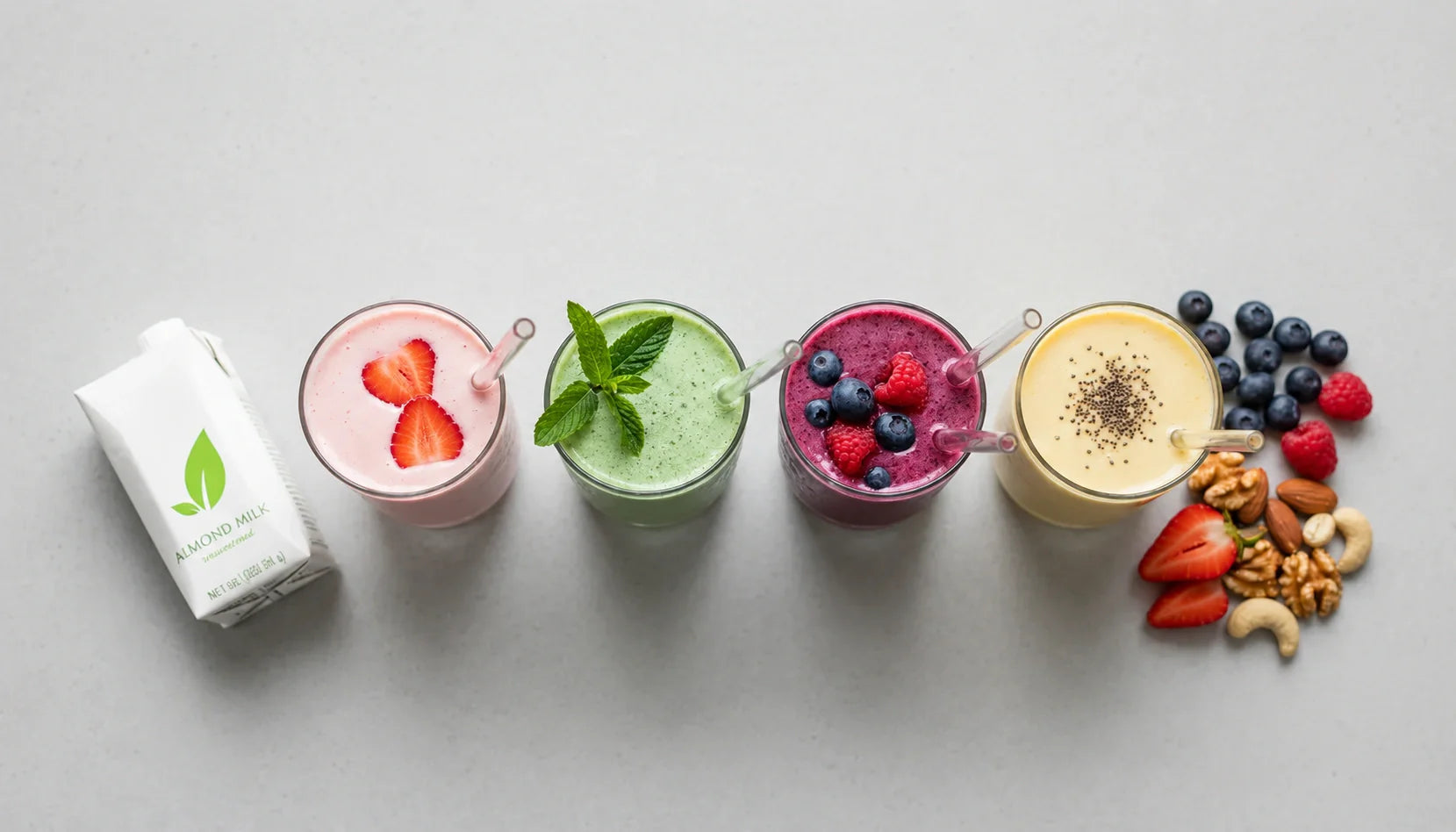
For everyday applications like shake prep and recipes, non-dairy protein shake ideas are worth exploring too — taste and mixability matter when you are using protein daily.
 When you read plant-based protein labels side by side, the leucine and BCAA gaps become impossible to ignore.
Which Plant-Based Protein Powders Are Better Than Vega?
Several plant-based protein powders outperform Vega on leucine content, ingredient quality, and testing rigour. VEGAIN V-POWER leads on the metrics that matter for muscle synthesis: 26g protein, 3g leucine, 11.8g BCAAs, and third-party testing on every batch.
| Feature | VEGAIN V-POWER | Vega Sport | Garden of Life | Orgain Sport | Sunwarrior |
|---|---|---|---|---|---|
| Protein per scoop | 26g | 30g | 30g | 21g | 17g |
| Leucine per serving | 3.0g | ~1.6g | ~1.7g | ~1.5g | ~1.5g |
| BCAAs per serving | 11.8g | 5g | ~5.5g | ~4g | ~3.5g |
| Clear protein option | ✅ SURGE™ | ❌ | ❌ | ❌ | ❌ |
| Every-batch testing | ✅ | Partial | Partial | Partial | Partial |
| Zero fillers & artificial | ✅ | Partial | ✅ | Partial | Partial |
| Made in Canada | ✅ | ❌ (Danone) | ❌ | ❌ | ❌ |
| Award-winning | ✅ GOLD, BC F&B Awards | ❌ | ❌ | ❌ | ❌ |
VEGAIN's SURGE clear protein also opens a category Vega doesn't compete in: juice-light texture, 25g complete plant protein, 0g sugar, with electrolytes. For athletes who can't stomach milky shakes during or after training, SURGE is the only plant-based option in North America.
Bottom line: Vega is a good protein. VEGAIN is built for athletes who want a great one — better leucine, cleaner labels, every-batch testing, Canadian sourcing, and a clear protein innovation that Vega has no answer for.
How Does Vega Protein Powder Compare on Price and Value?
Vega Sport costs approximately $2.50–$3.00 per serving at retail — roughly $0.08–$0.10 per gram of protein. VEGAIN V-POWER is comparable in price-per-serving but delivers meaningfully higher leucine density. Price alone doesn't tell the performance story — leucine per dollar does.
The Leucine-Cost Multiplier
A $60 tub looks similar whether it delivers 20 servings at 20g protein or 20 servings at 26g protein.
If Vega's ~1.6g leucine requires two scoops to approach the MPS threshold, the effective cost per anabolic signal doubles. VEGAIN's 3g leucine per single scoop keeps the cost-per-result competitive even at a similar retail price point.
For Canadian Athletes Specifically
VEGAIN is headquartered in Vancouver and sources Canadian ingredients wherever possible. For Canadian athletes navigating cross-border pricing and import duties, VEGAIN manufactures locally. Vega, despite its Canadian origins, now operates under Danone — a French multinational — with corresponding supply chain priorities.
Shop V-POWER — Built Around the Leucine Standard Vega Misses
When plant protein is evaluated on leucine content, amino acid completeness, testing rigour, and Canadian sourcing, VEGAIN V-POWER consistently outperforms the default: one scoop, 26g protein, 3g leucine, third-party tested every batch.
Looking for something lighter? SURGE™ — North America's first clear vegan protein — delivers 25g complete plant protein in a juice-light can with zero milky texture.
 VEGAIN V-POWER and SURGE™ — Canadian plant-based sports nutrition built around the performance standards that matter for serious training.
Frequently Asked Questions
Is Vega protein powder actually good for you?
Vega Sport is a credible plant protein with NSF certification and a multi-source amino acid profile. For general health and moderate training, it works well. For athletes focused on optimising leucine intake and muscle protein synthesis, its ~1.6g leucine per serving falls below the 2–3g threshold that research identifies as optimal for anabolic signalling.
What is the best plant-based protein powder for muscle gain?
The best plant-based protein for muscle gain delivers at least 2–3g leucine per serving, a complete amino acid profile, and high total protein per scoop. VEGAIN V-POWER hits 3g leucine and 11.8g BCAAs from a pea-rice-hemp tri-blend — formulated specifically around the leucine threshold that triggers muscle protein synthesis at a single serving.
Is Vega protein powder third-party tested?
Vega Sport Premium holds NSF Certified for Sport status — a credible certification for its Sport product line specifically. VEGAIN third-party tests every batch of every product as a non-negotiable standard, not a selective marketing claim applied to one product line only.
What is VEGAIN?
VEGAIN is a Canadian plant-based sports nutrition brand based in Vancouver, BC. Its products — including V-POWER plant protein powder and SURGE™, North America's first clear vegan protein — are 100% vegan, third-party tested, and free from fillers, artificial flavours, and dyes. VEGAIN is built for athletes who want plant-based performance without compromise: complete amino profiles, high leucine, clean ingredients, and Canadian-sourced where possible.
Does Vega protein powder contain soy or gluten?
Vega Sport Premium and Vega Protein & Greens are both soy-free and gluten-free, though some formulations include natural flavours, gums, and stevia. Athletes with strict label requirements should check individual Vega products, as ingredients vary across the range. VEGAIN V-POWER contains no soy, gluten, dairy, or artificial additives.
What is clear protein powder and how is it different from standard plant protein?
Clear protein dissolves into a juice-light liquid instead of a milky shake. It's designed for athletes who want protein during or after training without heavy texture or bloating from fibre-dense blends. SURGE is North America's first clear vegan protein — 25g complete plant protein, 0g sugar, with electrolytes, in a 355ml ready-to-drink can or instant-dissolving powder.
What's the difference between V-POWER and SURGE™?
V-POWER is VEGAIN's tri-blend plant protein powder — 26g of protein, 11.8g BCAAs and EAAs, and 3g of leucine per scoop, made from pea, brown rice, and hemp. SURGE™ is North America's first clear vegan protein — 25g of complete plant protein, 0g sugar, with electrolytes, in a juice-light texture. SURGE™ comes as a 355ml ready-to-drink can and as an instant-dissolving powder. Use V-POWER for traditional shakes; use SURGE™ when you want a refreshing, low-density protein during or after training.
Sources: VEGAIN product specifications (vegain.ca); FAO/WHO/UNU Expert Consultation on Protein and Amino Acid Requirements in Human Nutrition (FAO, 2011); International Society of Sports Nutrition Position Stand: Protein and Exercise, jissn.biomedcentral.com.

Leave a comment
This site is protected by hCaptcha and the hCaptcha Privacy Policy and Terms of Service apply.