
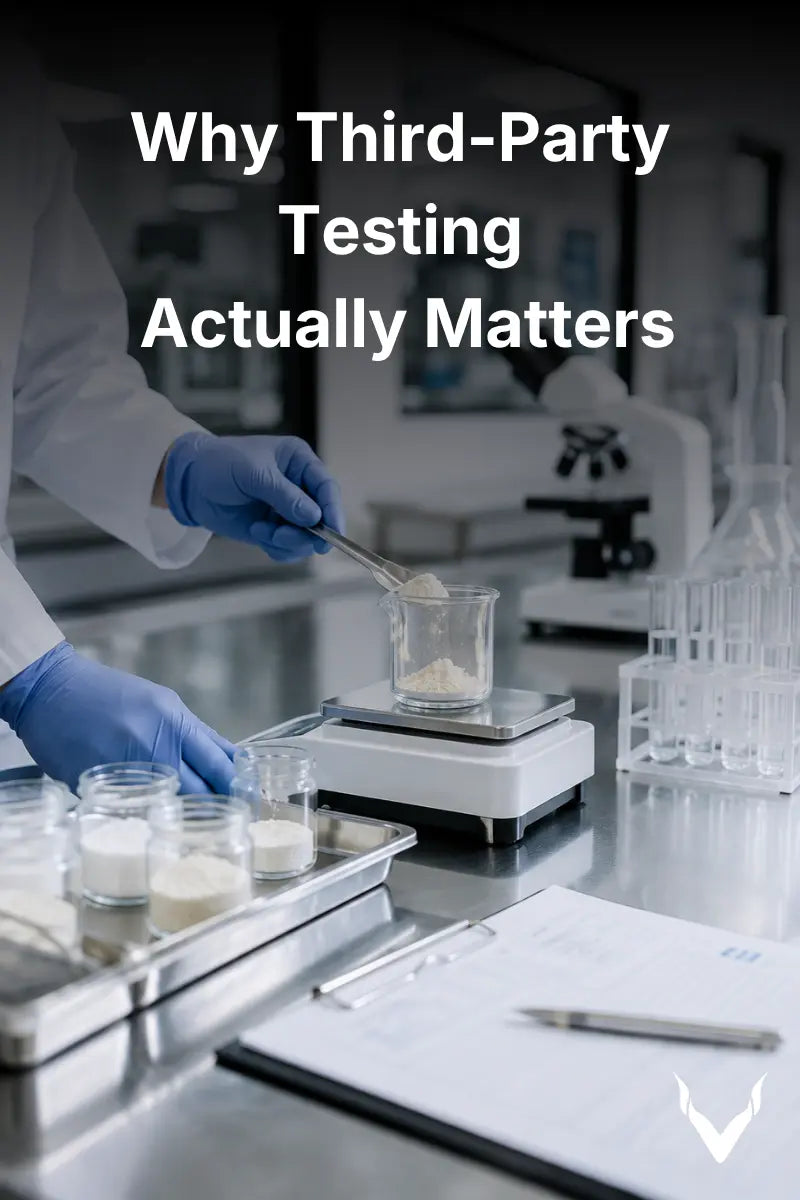
Why Third-Party Testing Actually Matters
Here's an uncomfortable but real fact: independent testing organizations have repeatedly found that a large share of top-selling protein powders exceed safety thresholds for heavy metal contamination. This isn't a rumour or a competitor smear, it's documented, industry-wide, and worth understanding before you trust a "clean" label at face value.
Where Heavy Metals Actually Get In
This isn't about anyone intentionally adding contaminants. Heavy metals like lead, arsenic, and cadmium occur naturally in soil and water, sometimes at higher concentrations near industrial activity, agricultural runoff, or from certain phosphate fertilizers. As crops grow, their root systems draw up whatever is in the surrounding soil and irrigation water, a process called bioaccumulation, and some crops take up far more than others. Rice, for example, is grown in flooded, submerged conditions that make it especially efficient at absorbing arsenic. Cadmium tends to show up more in soybeans, sunflower seeds, oats, and cocoa. Lead contamination is more common in crops irrigated with contaminated water or grown near highways and industrial zones.
Here's The Part That Often Gets Missed: Processing Can Make This Worse, Not Better
When a raw crop is turned into a protein isolate, the fiber, starch, and moisture get stripped away, but heavy metals don't strip away with them. They stay in the final product, now concentrated into a much smaller amount of finished powder. That means the sourcing decision, which farm, which soil, which water supply, has a bigger impact on the final heavy metal load than whether the ingredient started out as a pea, a grain, or a cow.
What Independent Testing Actually Catches
Reputable third-party testing checks for things a company's own internal quality control might miss or have incentive to soften: heavy metals (lead, arsenic, cadmium, mercury), microbial contamination, and banned substances that shouldn't be in a legitimate supplement at all. It's a second, independent set of eyes with no incentive to give a product a pass.
Not All "Tested" Claims Are Equal
Here's the part that matters: a company saying "we test our products" and a company that's certified by an independent body, on every single batch, are not the same claim. Look for specifics: which organization certified it, whether it's every batch or an occasional spot check, and whether the results are actually available to see, not just implied by a badge on the label.

Where VEGAIN Stands
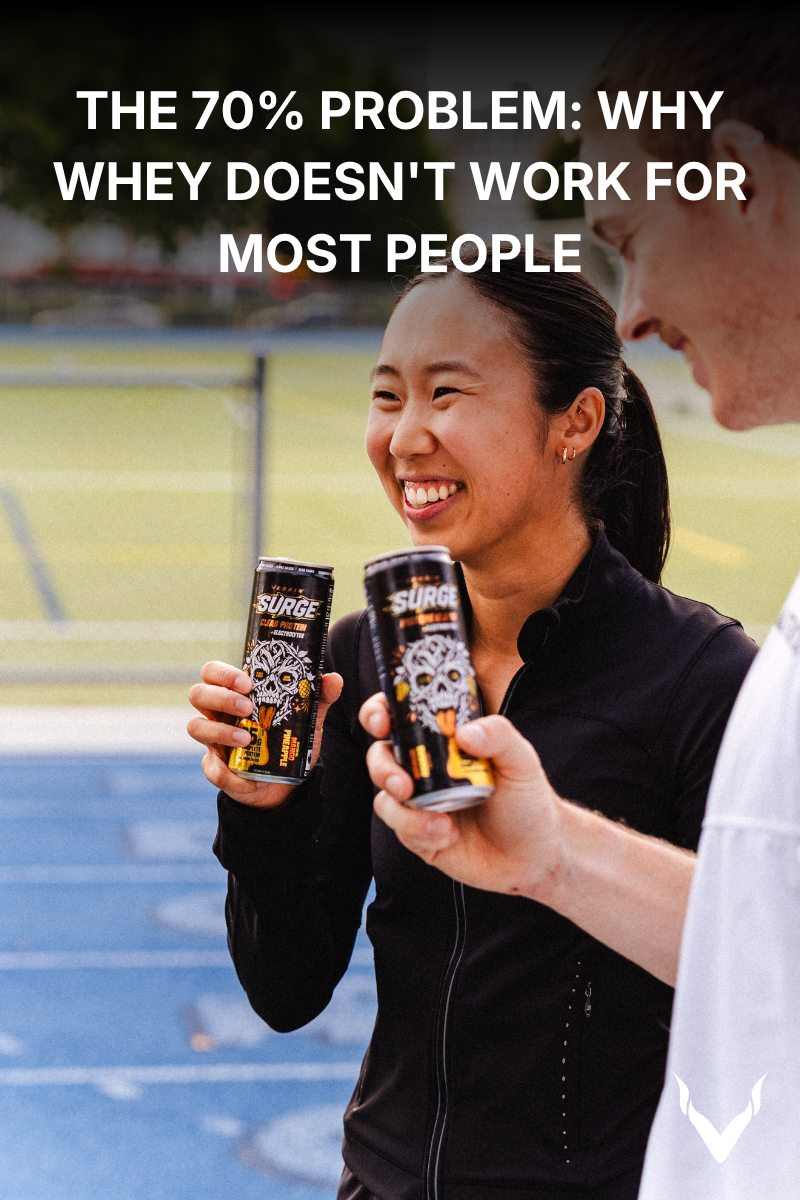
Every VEGAIN product is made in a GMP certified facility and third-party tested for heavy metals and microbial contaminants, on every batch, not a periodic sample. SURGE goes a step further: it's also Informed Choice certified, meaning it's independently tested and verified against a list of banned substances, the same standard used by pro and Olympic-level athletes to vet what they put in their bodies. That's a deliberate standard, not a marketing checkbox, because the alternative is exactly the kind of industry-wide problem independent testing organizations keep finding.
The Bottom Line
Heavy metal contamination in protein powder is a real, documented industry issue, not a scare tactic, and not unique to any one brand. The only real defence is independent, per-batch testing, not a label that just says "clean." That's the standard VEGAIN holds every product to, on every batch, every time.
See how every VEGAIN product is tested. Learn about our testing process →





Laisser un commentaire
Ce site est protégé par hCaptcha, et la Politique de confidentialité et les Conditions de service de hCaptcha s’appliquent.