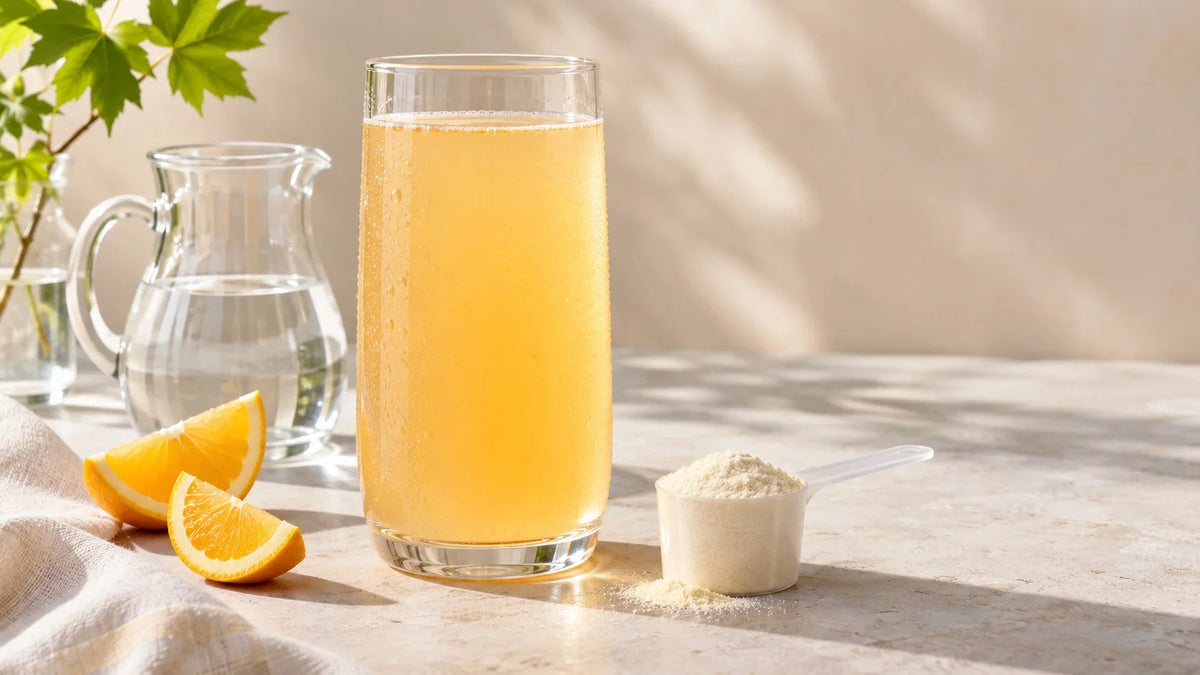
Trying to gain size on a plant-based diet can come down to one practical challenge: getting enough energy in without feeling uncomfortably full. Lentils, tofu, oats and other whole foods are nutritious, but large portions are not always easy to fit into a busy day.
A vegan mass gainer is one way to add convenient calories and protein. The right choice depends on your total diet, serving size, ingredients and how well the product fits your routine. A large calorie number on the front of a bag tells you very little until you check how much powder makes up a serving.
What Is a Vegan Mass Gainer?
A vegan mass gainer is a powder that combines plant-based protein with carbohydrate and, in some formulas, fat. It is designed to provide more energy per serving than a protein-only powder. Ingredients and serving sizes vary widely, so compare the Nutrition Facts table using the same serving weight rather than relying on front-of-pack claims.
For a broader comparison of when each product type makes sense, read mass gainer vs. protein powder.
Start With Your Calorie Needs, Not a Tub
A supplement does not build muscle on its own. Muscle gain depends on training, recovery and a consistent eating pattern that provides enough energy. If your body weight has not been trending upward and gaining is your goal, review your food intake and activity before deciding whether a shake would help.
A 2019 review on off-season bodybuilding nutrition suggests novice and intermediate bodybuilders use a modest surplus of about 10% to 20% above maintenance, with a target gain of roughly 0.25% to 0.5% of body weight per week. It recommends more conservative targets for advanced bodybuilders. These are general bodybuilding guidelines, not a prescription for everyone. Read the review by Iraki and colleagues.
For an 80 kg lifter, 0.25% to 0.5% of body weight is about 0.2 to 0.4 kg per week. Use consistent weigh-ins and compare weekly averages; day-to-day changes can reflect water, food and other normal fluctuations. If progress stalls, review your intake and training with a qualified coach or dietitian before making a large adjustment.
How Much Protein Do You Need?
The International Society of Sports Nutrition states that 1.4 to 2.0 grams of protein per kilogram of body weight per day is sufficient for most exercising people. A review focused on bodybuilders during the off-season discusses a range of 1.6 to 2.2 grams per kilogram per day. Your needs depend on your health, training and goals, so treat these as research-based reference ranges rather than personal medical advice.
- Active adults: The ISSN position stand gives a general range of 1.4–2.0 g/kg/day. Read the ISSN position stand.
- Bodybuilders in an off-season gaining phase: The review above discusses 1.6–2.2 g/kg/day, alongside adequate energy and resistance training.
At 75 kg, a daily range of 1.6–2.2 g/kg works out to about 120–165 grams. Most of your protein can come from meals and snacks such as tempeh, tofu, seitan, edamame, lentils, beans, soy beverages, nuts and seeds. Canada’s Food Guide recommends choosing plant-based protein foods more often. See Health Canada’s guidance on protein foods.
These ranges are for healthy, exercising adults. If you have kidney concerns, unexplained weight loss or another medical condition, ask a doctor or registered dietitian for advice tailored to you.
Four Things to Check Before Buying a Vegan Mass Gainer
1. Serving size and cost
Check the weight of one serving and how many servings are in the container. Then compare the protein, calories and other nutrients per serving of the same size. A product can appear less expensive until you account for how much powder you actually use. Also make sure the full serving is practical to mix and drink.
2. Carbohydrates and how the product fits your diet
Carbohydrate sources vary across products. Compare the total calories, carbohydrates, fibre and added sugars on the label, then consider how the product fits with the rest of your meals. No single ingredient tells you whether a product is right for everyone; your overall diet and personal tolerance matter.
For protein, look at the amount per serving and any amino-acid information the brand provides. Plant proteins can be used in blends, but a blend name alone does not tell you how much protein you are getting or whether the serving suits your needs.
3. Sweeteners, gums and allergens
Read the full ingredient list and allergen statement, especially if you already know that certain ingredients do not agree with you. Sweeteners, sugar alcohols and thickening agents can affect people differently. They are not automatic reasons to reject a product, but they are worth checking if you have a known sensitivity or have experienced symptoms.
4. Testing and transparency
Check what a brand means when it says a product is tested or certified. Look for the name of the program, what it covers and whether the certification applies to the specific product. Third-party sport certification and a batch-specific Certificate of Analysis answer different questions, so review the details instead of treating the terms as interchangeable.
Whole Foods, Protein Powder or Mass Gainer?
- Whole-food meals: A good foundation when you have the appetite and time to prepare them. They offer variety and nutrients beyond protein.
- Vegan protein powder: Useful when your meals cover your energy needs but you want a convenient way to add protein.
- Homemade smoothie: Lets you choose the ingredients and portion size. Oats, fruit, soy beverage and nut butter are common options.
- Vegan mass gainer: A convenient option when eating enough through meals is difficult and you want a prepared serving of calories and protein. Compare the label and serving size.
Who Might Find One Useful?
A vegan mass gainer may be useful if you regularly struggle to eat enough to support your goal, work long shifts, travel often or need a portable option between meals. You may not need one if you already meet your energy and protein needs with food, are trying to reduce your calorie intake, or prefer making your own shake.
It is a convenience tool. It cannot replace an overall eating pattern or a training plan.
Frequently Asked Questions
Will a vegan mass gainer make me gain belly fat?
Weight gain depends on your overall energy intake and activity. If you consistently eat more energy than you use, some weight gain may be body fat. A supplement is not unique in this respect; the portion and your overall intake matter.
Can I gain weight on a vegan diet without a mass gainer?
Yes. You do not need a supplement to gain weight. Regular meals and calorie-dense foods such as nuts, seeds, avocado, oils and soy foods can help you meet your needs. A mass gainer is one convenient option when eating enough food is difficult.
Is a vegan mass gainer the same as vegan protein powder?
No. Protein powders are generally designed to add protein, while mass gainers combine protein with more carbohydrate and sometimes fat to provide more calories. Always compare the Nutrition Facts table and serving size.
When should I drink a vegan mass gainer?
Choose a time that fits your daily routine and appetite. Some people prefer a shake between meals or after training; the most useful timing is the one that helps you follow your overall eating plan.
Can I mix it with water or plant milk?
Follow the product directions. Water keeps the shake simple, while plant beverages change the flavour and nutrition. Their protein and calorie content varies by brand, so check the package label.
Ready to Plan Your Bulk?
Choose a product based on your actual calorie and protein needs, serving size, ingredient preferences and how it fits your day. Compare the complete label instead of relying on a single headline claim.
Explore the ingredients and nutrition details for VEGAIN Plant-Based Mass Gainer 2.0, or continue with our bulking season guide.
Sources
- Iraki J, Fitschen P, Espinar S, Helms E. “Nutrition Recommendations for Bodybuilders in the Off-Season: A Narrative Review.” Sports. 2019;7(7):154. Full review.
- Jäger R, et al. “International Society of Sports Nutrition Position Stand: protein and exercise.” Journal of the International Society of Sports Nutrition. 2017;14:20. Full position stand.
- Health Canada. Eat protein foods.

Laisser un commentaire
Ce site est protégé par hCaptcha, et la Politique de confidentialité et les Conditions de service de hCaptcha s’appliquent.